
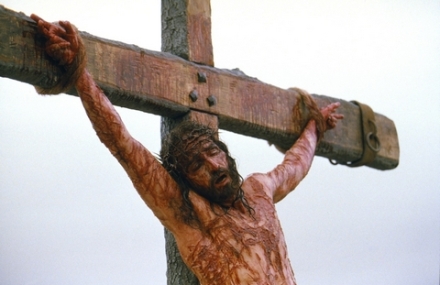
Good Friday? How about Bad Friday, Black Friday, or Depressing Friday? If this is the day in which we remember Jesus suffering, bleeding, and dying on the cross, what is so good about it? The movie, The Passion of the Christ, in many ways, change the way we feel about Christ suffering. The graphic and bloody movie was a stirring portray of Jesus’ last hours. For some, Good Friday induces feelings of guilt, depression, and even remorse. Christians, on this day, truly feel a sense of sadness.
On this day of sadness, we wonder: Where did we get the term “Good Friday? There is no clear answer, but the word “good” and “God” mixed together in the English speaking world. For instance, the surname “Goodspeed” derives from “Godspeed”, which comes from the expression “God speed (with you)” The expression, “good bye” came from the phase, “God be with ye (you). Despite the origins of the phases, we don’t really feel “good” on Good Friday.
No matter what the origins of the phase comes from we cannot escape our feelings. Are we meant to feel guilty and depressed on Good Friday? We don’t feel “good” about Christ suffering. Are we meant to feel the pressure to be grateful of Jesus’ torment?
Christianity Today recently published an article that gives a good take on this day. John Witvliet explains why we should not punish ourselves:


